Completing Class 12 is an exciting milestone, but for many students and parents, it also brings a difficult question: What should I do next?
Students from the Arts or Humanities stream sometimes feel that their options are limited to traditional degrees. In reality, there are several job oriented courses after 12th arts that can help students build practical skills alongside their graduation.
The important thing is not to choose a course simply because everyone else is choosing it. A good decision should consider the student’s interests, strengths, eligibility, learning preferences and long-term career plans.
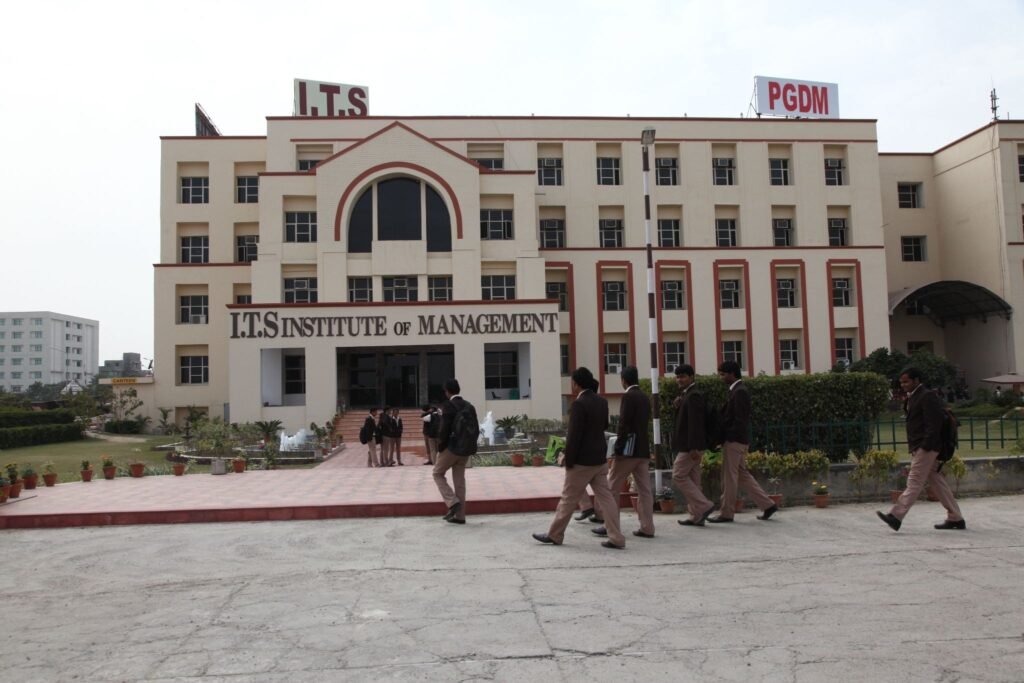
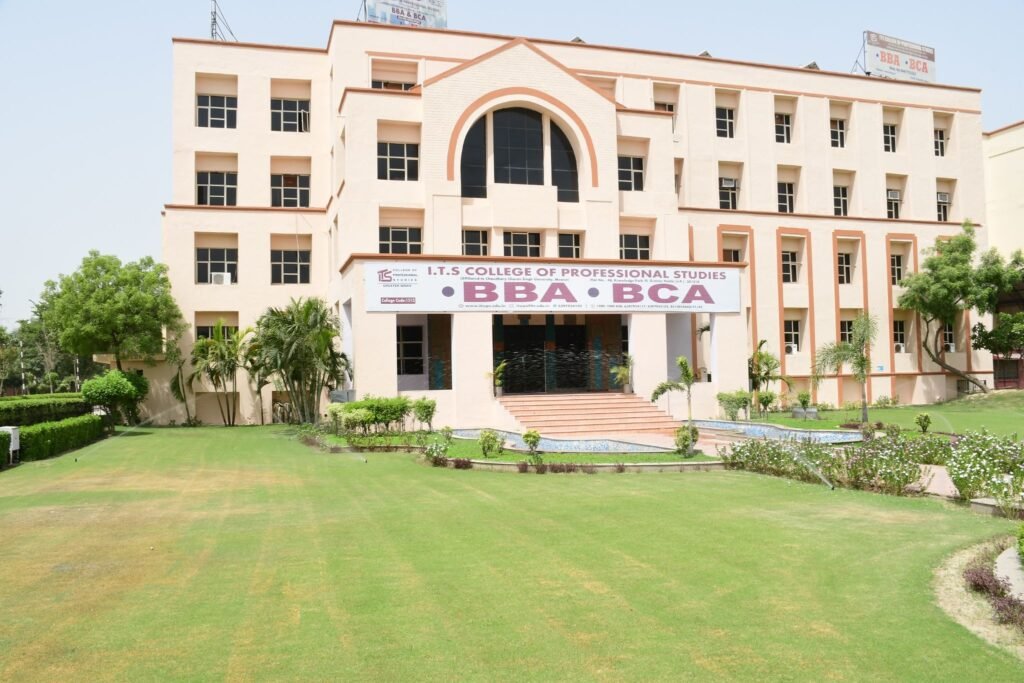
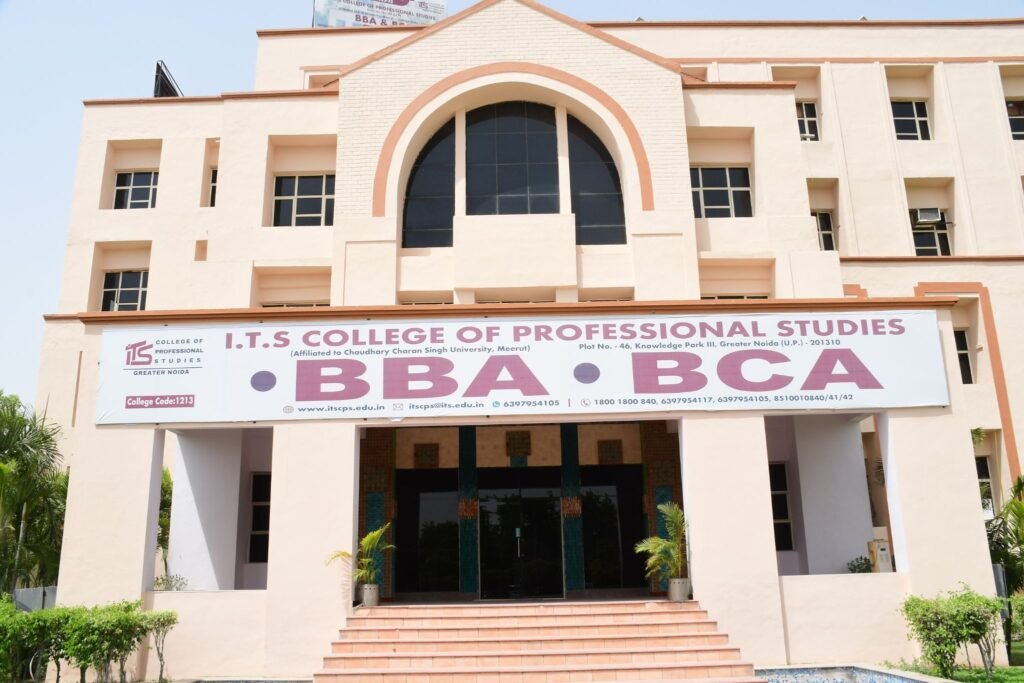
Among the job oriented courses after 12th arts, programmes such as BBA can be relevant for students interested in management, marketing, business and entrepreneurship. BCA can also be considered by Arts students who meet the required Mathematics criteria. Alongside these degrees, industry-linked areas such as digital marketing, IT skills, HR, sales and marketing can provide opportunities for practical skill development. I.T.S College of Professional Studies, Greater Noida, for example, offers a three-year BBA programme open to students from all streams and a BCA programme for eligible Arts students with Mathematics at High School or Intermediate level.
So, if you are currently researching job-oriented courses after 12th arts, this guide will help you understand what to look for before making your decision.
Why Are BBA/BCA After 12th Arts Becoming Important?
A degree provides academic knowledge, but today’s students also need opportunities to develop communication, digital, analytical, and professional skills.
This is why many students look for job oriented courses after 12th arts instead of choosing a programme only because it is familiar or traditional.
A career-focused programme can combine:
- Academic concepts
- Practical projects
- Industry exposure
- Internships
- Communication skills
- Digital skills
- Professional development
- Career guidance
1. BBA – A Practical Option for Arts Students
Bachelor of Business Administration, commonly known as BBA, is one of the job-oriented courses after 12th arts that students can explore if they are interested in business and management.
The good thing about BBA is that students do not necessarily need to come from a Commerce background. At I.T.S College of Professional Studies, the current admission information states that students from all streams can apply for BBA, subject to the prescribed eligibility criteria.
BBA can introduce students to areas such as:
- Business management
- Marketing
- Human resource management
- Finance
- Sales
- Entrepreneurship
- Operations
- Business communication
2. BCA – For Arts Students Interested in Technology
Can an Arts student pursue BCA?
The answer depends on the institution’s eligibility requirements.
At I.T.S College of Professional Studies, the current admission page specifies that BCA is open to eligible Arts students with Mathematics at High School or Intermediate level, along with other stated eligibility conditions. The programme duration is three years.
This makes BCA one of the job-oriented courses after 12th arts for students who have an interest in computers and meet the subject requirements.
BCA can expose students to areas such as:
- Programming
- Web application development
- Mobile applications
- Data science
- Cloud computing
- Networking
- Internet of Things
- Graphics and multimedia
- Robotics
3. Digital Marketing Alongside Graduation
Digital marketing is another area students can explore when comparing job oriented courses after 12th arts.
Businesses today use digital channels for communication, customer engagement, branding and sales. Students interested in social media, content, advertising, branding or online business may therefore find digital marketing an interesting skill area.
Digital marketing can include topics such as:
- Search engine optimisation
- Social media marketing
- Content marketing
- Online advertising
- Email marketing
- Analytics
- Brand communication
4. Human Resource Management
Students who enjoy communication, teamwork, and understanding people may also explore HR-related learning.
Human Resource Management is another area worth considering when researching job oriented courses after 12th arts.
An HR professional may work around areas such as:
- Recruitment
- Employee engagement
- Training and development
- Performance management
- HR operations
- Workplace communication
5. Sales, Marketing and Business Development
If a student enjoys communication, persuasion, networking, and understanding customers, sales and marketing may be worth exploring.
These fields can be considered while researching job-oriented courses after 12th arts, particularly through a BBA pathway.
Students can develop skills such as:
- Communication
- Presentation
- Customer interaction
- Market research
- Branding
- Negotiation
- Business development
6. Entrepreneurship and Family Business
Not every student wants a conventional corporate job.
Some students may eventually want to join their family business, start a small enterprise, or develop a startup idea.
For such students, entrepreneurship-focused learning can be relevant when exploring job-oriented courses after 12th arts.
BBA can introduce students to business planning, management, marketing, and other fundamentals that can be useful when understanding how businesses operate.
What Makes a Course Truly Job Oriented?
The phrase job oriented courses after 12th arts is widely searched, but students should look beyond the name of the course.
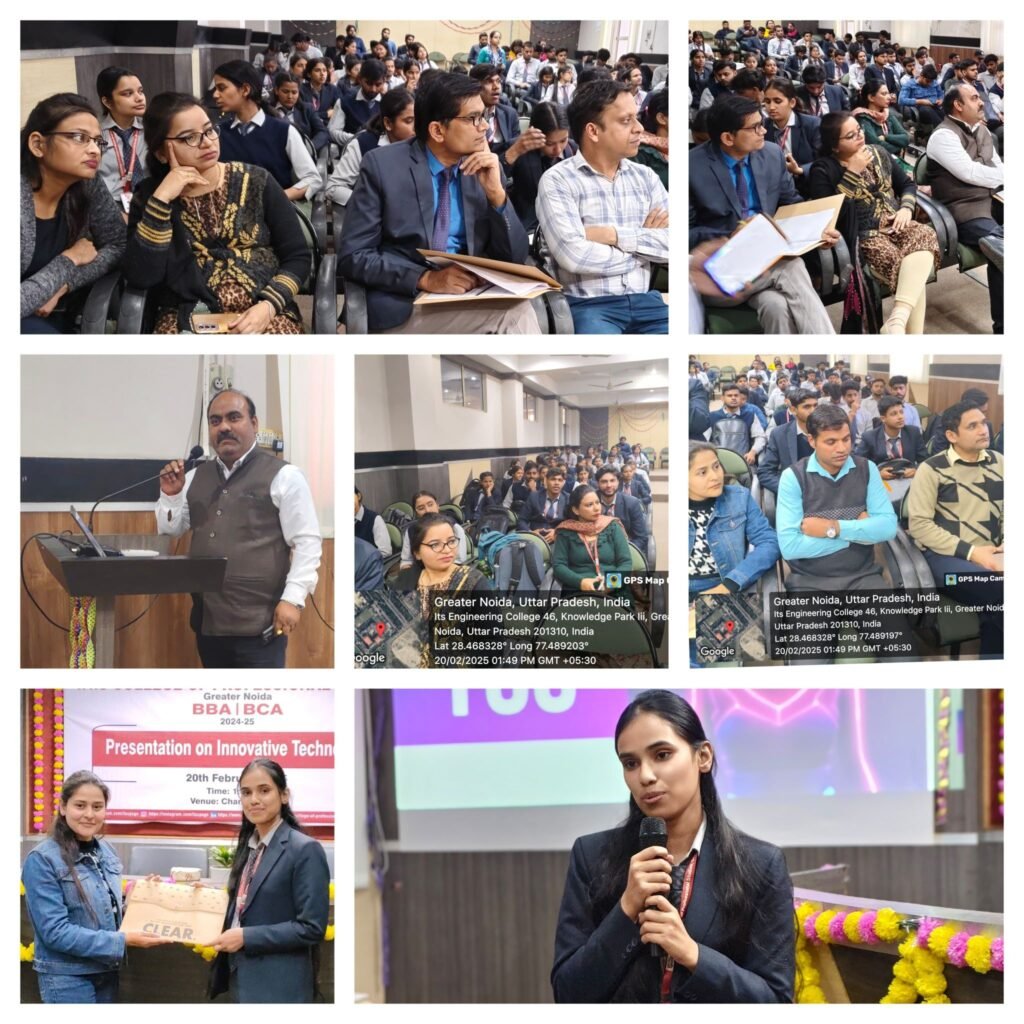
A genuinely career-focused programme should ideally provide opportunities to develop practical abilities.
What Should Parents Check Before Choosing a Course?
Parents often focus on fees, college location and placements. These are important, but they should not be the only considerations.
When comparing job-oriented courses after 12th arts, ask these questions:
BBA or BCA: Which One Should an Arts Student Choose?
This is one of the most common questions from students and parents.
There is no universal answer.
A student interested in business, management, marketing, HR, entrepreneurship or sales may find BBA more aligned with their interests.
A student interested in programming, software, data, applications or technology may consider BCA, provided they meet the required Mathematics and other eligibility conditions.
In other words, when comparing job-oriented courses after 12th arts, start with the student’s interests rather than the course’s popularity.
Why Practical Exposure Matters
Imagine two students learning the same concept. One reads about marketing from a textbook. The other studies the concept, works on a project, prepares a presentation, analyses a real-world case, and discusses the idea with an industry professional.
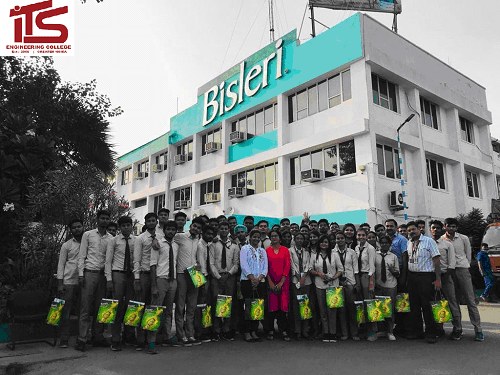
Both have studied the topic, but the second student has had more opportunities to apply it.
That is why practical exposure matters when evaluating job-oriented courses after 12th arts.
For students, these experiences can also help answer a very important question: Do I actually enjoy this field?
Career Planning Should Start With Skills, Not Just a Degree
One mistake students sometimes make is thinking that the degree itself will determine their entire career.
In reality, a degree is a foundation.
Students can gradually build on that foundation through:
- Internships
- Certifications
- Projects
- Communication skills
- Digital skills
- Industry exposure
- Networking
- Further education
What About Jobs After Graduation?
Students researching job oriented courses after 12th arts often want to know exactly which job they will get after completing the course. It is better to think in terms of possible career pathways.
After BBA, students may explore areas such as:
- Marketing
- Sales
- Human resources
- Business development
- Operations
- Finance-related roles
- Entrepreneurship
The actual opportunities available to an individual will depend on their skills, experience, specialisation, academic record, and the hiring environment.
The purpose of job-oriented courses after 12th arts should not be understood as a promise of a particular job. Instead, the goal should be to develop a combination of education and practical skills that can support future career opportunities.
After BCA, eligible graduates may explore areas such as:
- Software development
- Web development
- IT support
- Data-related roles
- Application development
- Cloud and networking-related roles
The actual opportunities available to an individual will depend on their skills, experience, specialisation, academic record, and the hiring environment.
Choosing I.T.S College of Professional Studies for Career-Focused Learning
Students looking for job oriented courses after 12th arts can also explore institutions such as I.T.S College of Professional Studies, Greater Noida, which offers three-year full-time BBA and BCA programmes. The college states that BBA is open to all streams, while BCA has specific subject eligibility for Arts students.
The college’s academic information highlights industry-linked training in areas such as Digital Marketing, Banking & Finance, Sales & Marketing, HR Management, Entrepreneurship and IT Skills for BBA students. For BCA, the listed areas include Data Science, Mobile Applications, Web Applications, Networking & Cloud Computing, IoT, Graphics and Multimedia, and Robotics.
Its stated approach also includes live projects, industrial visits, training sessions, case studies, group discussions, and assignments.
For a student and parent, these details are worth examining because they show what the learning experience looks like beyond simply earning a degree.
Conclusion: Choosing the Right Path After Class 12
There is no single definition of the perfect career after Arts.
For one student, BBA may be the right direction because of an interest in management and business. For another, BCA may be appropriate because of an interest in technology and Mathematics eligibility. Someone else may be particularly interested in digital marketing, HR, entrepreneurship or sales.
The most important thing is to choose among job oriented courses after 12th arts based on interest + eligibility + practical exposure + skill development + long-term career goals.
A course should not be selected simply because it is labelled job oriented. Students and parents should examine the curriculum, practical learning opportunities, internships, industry exposure, additional training, and future study options.
The transition from school to college is not just about selecting a degree. It is about taking the first meaningful step towards building professional skills and understanding what kind of work the student wants to do.
And that is ultimately what makes the search for job oriented courses after 12th arts worthwhile: not finding a shortcut to a job, but finding an educational pathway that helps a student become more prepared for the world of work.
Look for practical learning
A student should get opportunities to apply classroom concepts through projects, presentations, case studies or assignments.
Look for industry exposure
Guest lectures, workshops, industrial visits and interaction with professionals can help students understand how classroom knowledge connects with workplaces.
Look for internships
Internships can give students an opportunity to experience professional environments before graduation.
Look for skill development
Communication, presentation, teamwork, digital literacy and problem-solving are useful across many careers.
Look for career preparation
Resume building, interviews, aptitude preparation and professional communication can help students become more familiar with recruitment processes.
These factors are more useful indicators than simply choosing a programme because it appears on a list of job oriented courses after 12th arts.
What Should Parents Check Before Choosing a Course?
- Is my child eligible? Check the exact eligibility criteria rather than relying on general information available online.
- Does the course match my child’s interests? A course chosen only because it sounds popular may not be suitable for every student.
- What practical exposure is provided? Look for projects, internships, workshops and industry interaction.
- What additional skills can students develop? Digital marketing, analytics, communication, technology or entrepreneurship can complement a degree.
- What are the higher-study options? Students should understand what they can pursue after graduation.
- What kind of career roles can the course lead toward? Think in terms of possible pathways rather than guaranteed outcomes.
- What does the college actually provide? Read the official curriculum, admission information and academic pages before making a decision.
BBA or BCA: Quick Comparison
| Student Interest | Course Path to Explore |
| Business & management | BBA |
| Marketing & branding | BBA + Digital Marketing |
| HR & people management | BBA + HR |
| Entrepreneurship | BBA + Entrepreneurship |
| Technology & programming | BCA, subject to eligibility |
| Data & technology | BCA + relevant technology training |
| Sales & communication | BBA + Sales & Marketing |
What About Jobs After Graduation?
Students researching job-oriented courses after 12th arts often want to know exactly which job they will get after completing the course. It is better to think in terms of possible career pathways.
After BBA, students may explore areas such as:
- Marketing
- Sales
- Human resources
- Business development
- Operations
- Finance-related roles
- Entrepreneurship
After BCA, eligible graduates may explore areas such as:
- Software development
- Web development
- IT support
- Data-related roles
- Application development
- Cloud and networking-related roles
The actual opportunities available to an individual will depend on their skills, experience, specialisation, academic record, and the hiring environment.
The purpose of job-oriented courses after 12th arts should not be understood as a promise of a particular job. Instead, the goal should be to develop a combination of education and practical skills that can support future career opportunities.
Choosing I.T.S College of Professional Studies for Career-Focused Learning
Students looking for job-oriented courses after 12th arts can also explore institutions such as I.T.S College of Professional Studies, Greater Noida, which offers three-year full-time BBA and BCA programmes. The college states that BBA is open to all streams, while BCA has specific subject eligibility for Arts students.
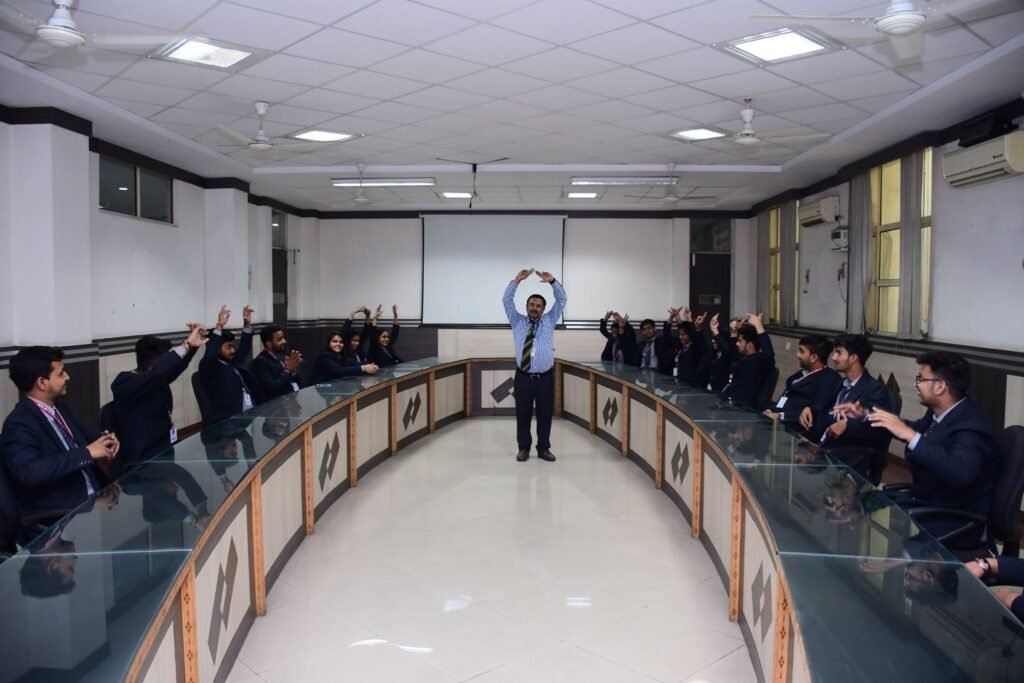
The college’s academic information highlights industry-linked training in areas such as Digital Marketing, Banking & Finance, Sales & Marketing, HR Management, Entrepreneurship and IT Skills for BBA students. For BCA, the listed areas include Data Science, Mobile Applications, Web Applications, Networking & Cloud Computing, IoT, Graphics and Multimedia, and Robotics.
Its stated approach also includes live projects, industrial visits, training sessions, case studies, group discussions, and assignments.
For a student and parent, these details are worth examining because they show what the learning experience looks like beyond simply earning a degree.
Final Checklist Before Selecting Your Course
Before finalising any of the job-oriented courses after 12th arts, sit down with your child and answer these questions:
- What subjects does my child genuinely enjoy?
- Does the student prefer business, people, technology, creativity, or communication?
- Does the student meet the course eligibility criteria?
- What practical skills will the course develop?
- Are internships available?
- Does the college provide industry interaction?
- What value-added courses are available?
- What higher-study options will remain open?
- What career areas can the student explore after graduation?
- Has the family checked the official college website and current admission requirements?